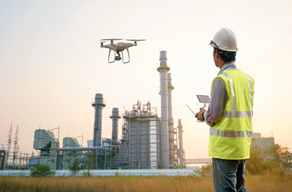
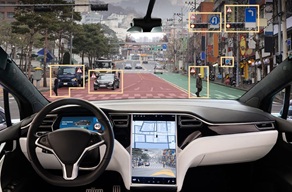
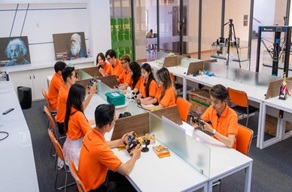
Artificial Intelligence (AI) is emerging as a key enabler of the “green factory” model—aimed at achieving efficient, sustainable and intelligent production. At the “Smart Factory 2025: AI for Green Factory” forum, experts and business leaders emphasized how AI is reshaping traditional manufacturing processes toward greener, smarter operations.
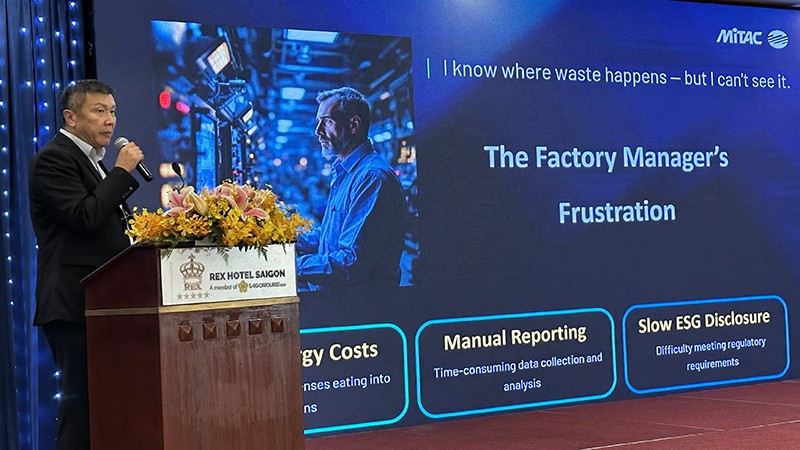
Ho Chi Minh City currently hosts over 43,000 industrial enterprises and 90 export processing, industrial and high-tech zones, accounting for nearly 32% of the nation’s industrial land. By 2050, the city’s development plan envisions 105 industrial zones spanning more than 49,000 hectares—forming a strong foundation for sustainable and intelligent industrial growth.
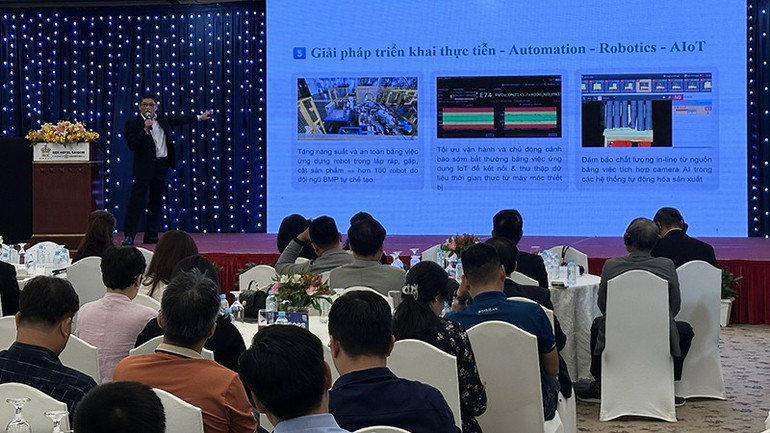
Despite this potential, challenges remain: uneven connectivity infrastructure, high logistics costs, low labor productivity and limited localization capacity. This makes the dual transformation—digitalization and green transition—an essential requirement rather than an option.
A representative at the forum highlighted:
“For sustainable industrial growth, we must integrate advanced technologies into manufacturing governance and transform existing industrial zones into smart, eco-friendly ecosystems.”
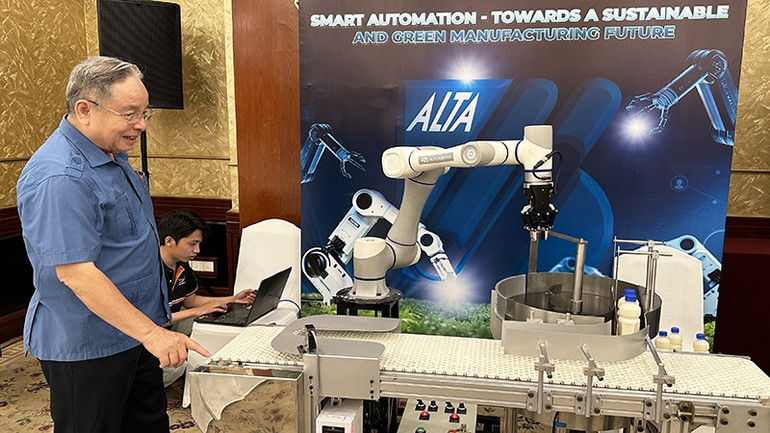
When AI is applied cohesively across processes, data systems and workforce capabilities, the “green factory” vision becomes reality—enhancing competitiveness and creating long-term value for the manufacturing economy.