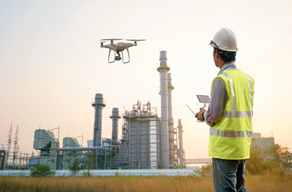
In recent years, drone (UAV) technology has moved beyond the experimental stage and is now being deployed at scale across many countries. No longer limited to filming or entertainment, drones are increasingly seen as a new “aerial infrastructure” that enables fast, efficient data collection, transportation, and monitoring from above.
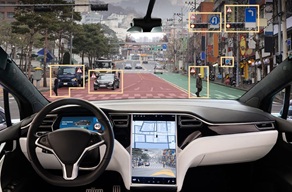
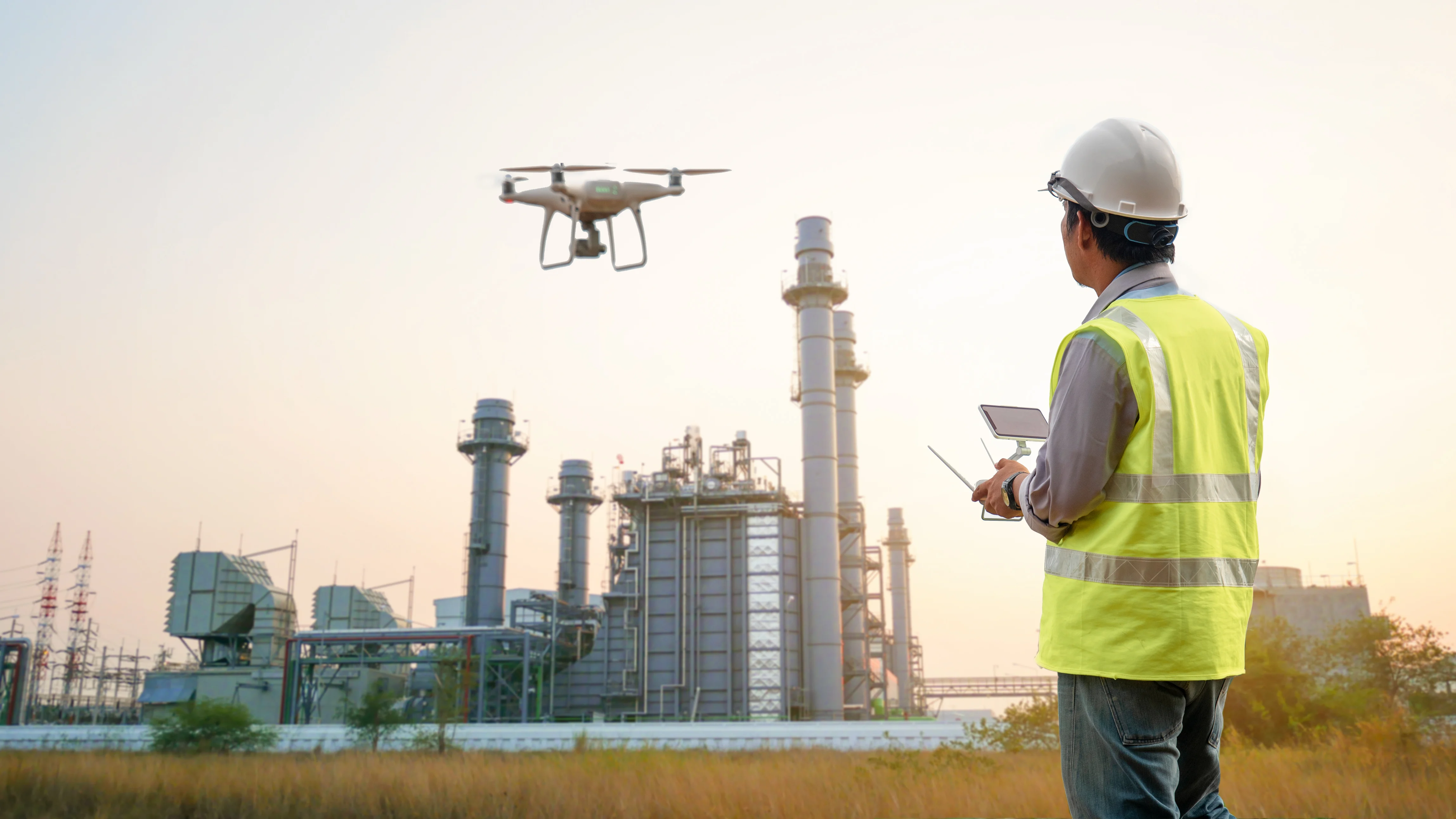
Advancements in artificial intelligence, sensors, and high-precision positioning systems have allowed drones to operate autonomously, recognize objects, and transmit real-time data. As a result, industries such as transportation, energy, agriculture, and construction are adopting drones for infrastructure inspection, site monitoring, and operational optimization.
In logistics, drones are opening new possibilities for aerial delivery, especially in densely populated or hard-to-reach areas. At the same time, fleet management platforms and centralized data systems enable organizations to track operations, analyze information, and make faster, more informed decisions.

Experts believe that in the near future, drones will evolve from standalone devices into an integral part of smart city ecosystems. By integrating with transportation systems, security networks, and infrastructure management platforms, drones can create a continuous “aerial observation layer,” helping improve operational efficiency and enhance safety in modern urban environments.