Artificial Intelligence (AI) is rapidly transforming the transportation sector, reshaping how cities operate and how people travel. From reducing congestion to enhancing safety and improving user experience, AI is becoming a key driver of intelligent mobility.
1. Smarter Traffic Management
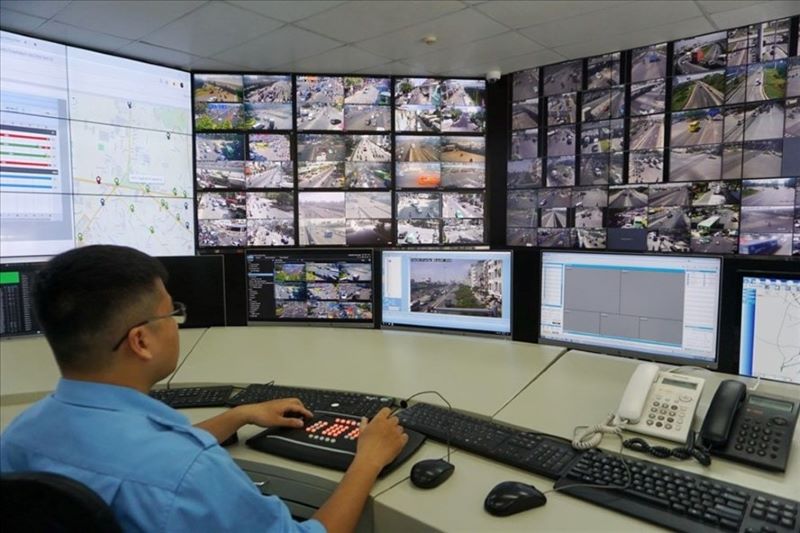
AI analyzes real-time data to optimize traffic light systems, ease congestion, and reduce emissions. Intelligent routing helps drivers choose faster, more efficient paths based on traffic density, weather, and road conditions.
2. Improved Road Safety
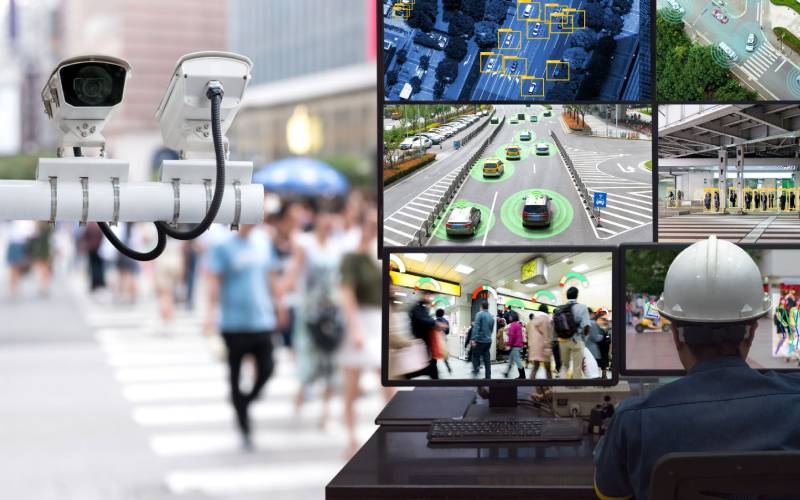
AI-powered surveillance systems detect abnormal behaviors, identify violations, and predict potential risks. Early warnings help reduce accidents and strengthen public safety management.

3. Personalized User Experience
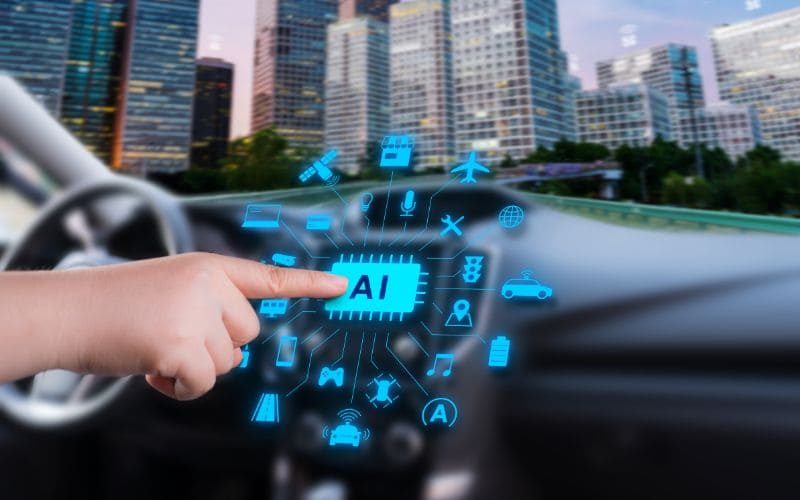
AI tailors navigation, entertainment, and travel recommendations based on user habits, creating a more convenient and enjoyable journey for drivers.
4. Cost Savings & Environmental Benefits
AI helps optimize routes, fuel consumption, and maintenance schedules for transportation businesses—reducing operational costs while supporting greener mobility.
5. Real-World AI Applications
-
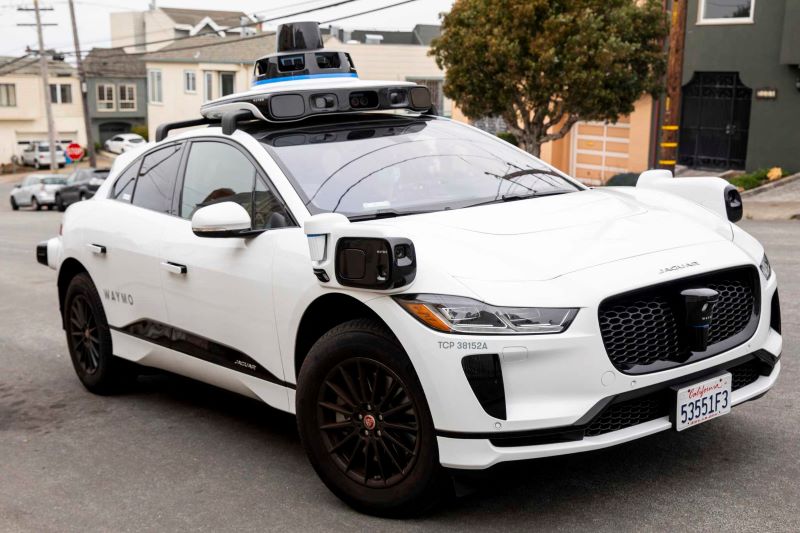
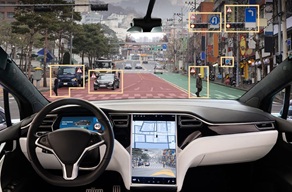
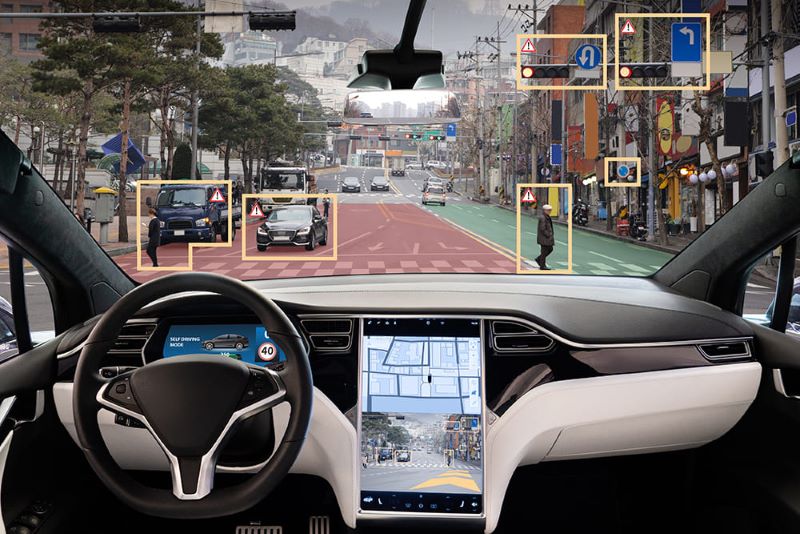
Autonomous vehicles: AI enables lane detection, obstacle recognition, and real-time decision-making.
-
Smart surveillance: Identifies license plates, detects violations, and classifies vehicles.
-
Smart parking: Guides drivers to available spaces, reducing search time.
-
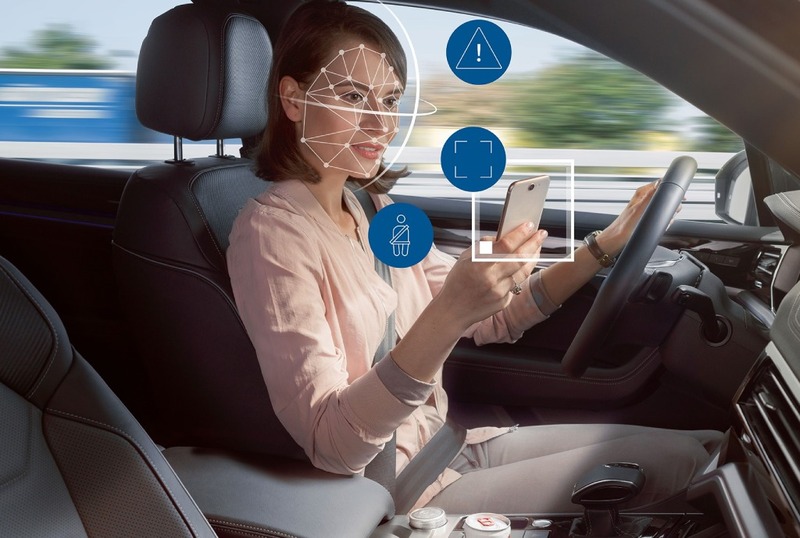
Driver monitoring: Detects drowsiness, distraction, and risky behaviors via video analytics.
6. Future Trends
More advanced autonomous driving, connected mobility networks, and AI-driven urban planning will shape the next generation of smart transport.
7. Challenges Ahead
Privacy concerns, high infrastructure costs, evolving regulations, and technical limitations remain key challenges that must be addressed.